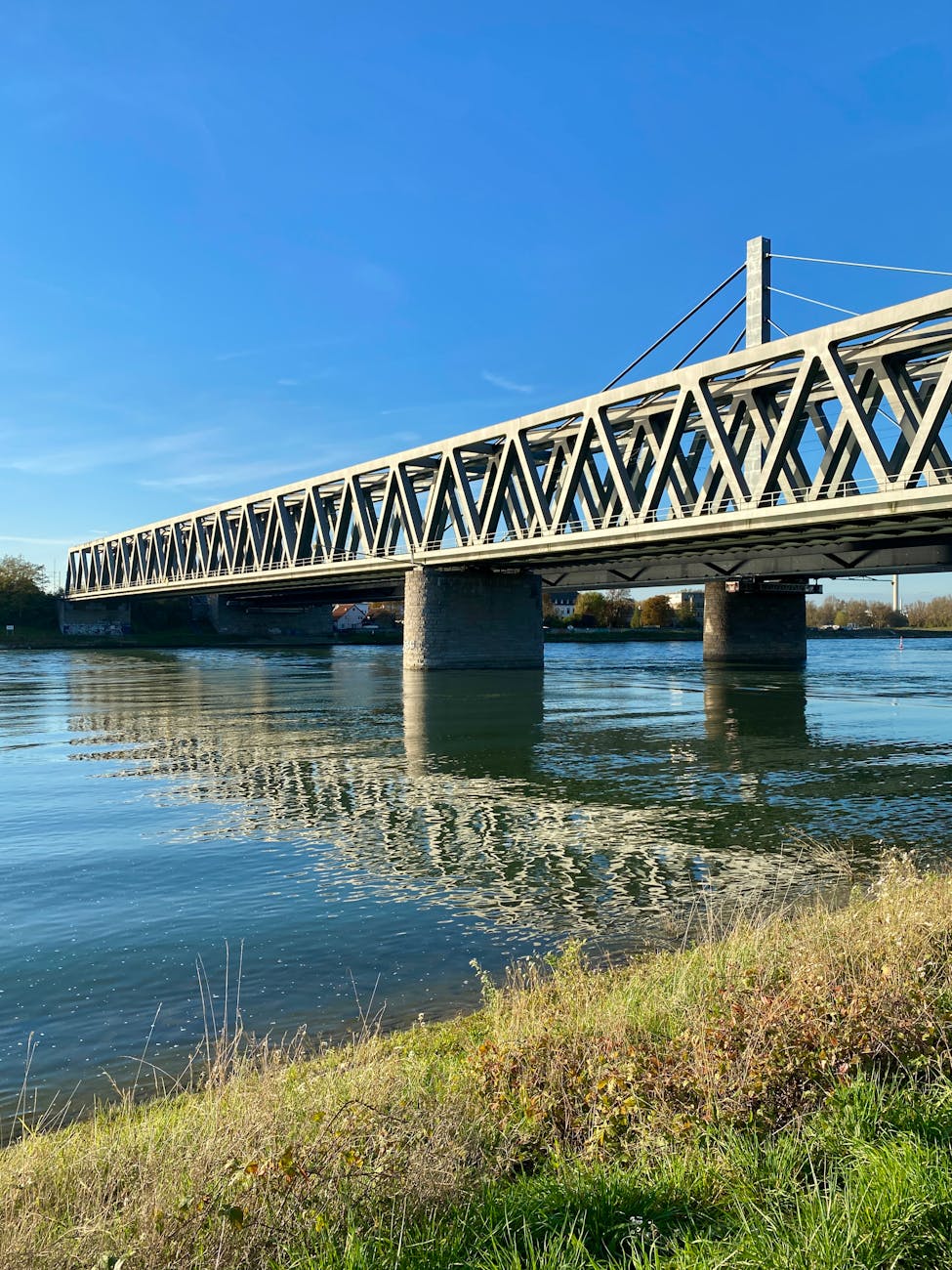
Discover Germany through our curated itineraries—whether you’re after bustling city breaks, scenic drives through the Alps, fairytale castles and medieval towns, or off-the-beaten-path villages. Each plan includes suggested durations, must-see sights, recommended routes, and local tips to help you make the most of your trip. From Berlin’s history and nightlife to the Rhine Valley’s vineyards and Bavaria’s charming villages, find the perfect German journey to match your pace and interests.
Describe your ideal trip and our AI will turn it into a personalized itinerary.
Social Picks
Top Travel Tips Shared Online
Choose a region based on interests and pace
If you love architecture, museums and quieter cultural sites, consider Baden-Württemberg + Alsace (Heidelberg, Freiburg, Strasbourg, Colmar, Black Forest villages). For big-history, medieval towns and alpine day trips, pick Bavaria (Munich, Nuremberg, Würzburg, Bamberg, Regensburg). Don’t try to pack too many cities into a short trip—stay a few days per base.
Prioritize day trips sensibly
Plan logical day trips from a single hub (e.g., Potsdam from Berlin; Lübeck or Lüneburg from Hamburg; Rothenburg/Bamberg from Nuremberg). Long cross-country hops eat time—Germany is bigger than it seems and some intercity trains take many hours.
Use trains but allow buffer time
Germany’s rail network is excellent for cities and day trips, but delays and cancellations happen. Allow extra travel time between connections and avoid over-ambitious same-day multiple-city plans.
Carry some cash and know payment quirks
Many smaller shops, cafés, markets and some taxis prefer cash. Keep ~20–50 EUR on you. Supermarkets use bottle-deposit machines (pfand) — return plastic/glass for a 0.25€ refund.
Book popular attractions in advance
Register or pre-book timed entry where possible (Reichstag dome in Berlin, major museums, palace tours in Potsdam/Sanssouci) to avoid queues and guarantee access, especially in high season.
Respect local customs and practical tips
Keep your voice down on public transport, ask before petting dogs, follow local queuing norms, and learn a few basic German phrases (bitte, danke, entschuldigung). Note many shops close on Sundays and some public holidays.
Plan for outdoorsy and photographic highlights
If you want nature and panoramas, include the Black Forest, Lake Constance region, the Bavarian Alps (Garmisch, Königssee) or coastal spots (Rügen, the North/Baltic coasts). Smaller medieval towns like Bamberg, Regensburg and Alsace villages are excellent for architecture photography.
 Back to Categories