Bring a physical SIM or hotspot (no reliable eSIMs)
As of late 2024 eSIMs may not be available — buy a physical SIM (bring passport) or rent a portable Wi‑Fi hotspot. Stores can have long waits and sell data bundles; small cash helps for quick purchases.
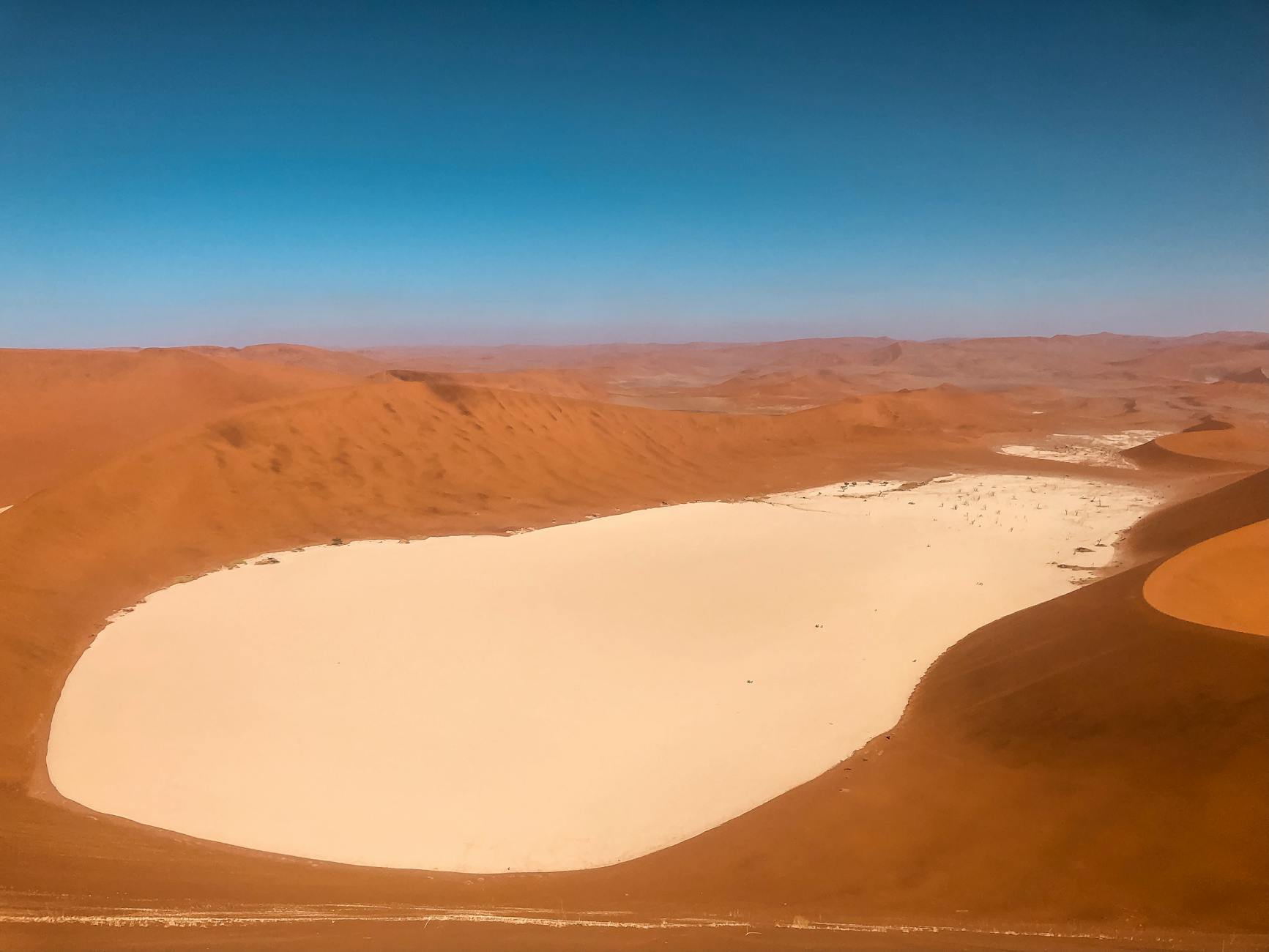
Plan around sunrises (especially Sossusvlei & Kolmanskop)
Many highlights are best at sunrise. If you can, stay inside Sossusvlei park or arrive early at Kolmanskop (buy day‑before pass) to avoid crowds and get best light for photos.
Self‑drive is doable but expect rough gravel roads
A 4x4 SUV is recommended; reduce tyre pressure where instructed and be prepared for corrugated stretches (drive slow). Don’t drive after dark. Long distances are common — break drives in towns like Solitaire, Outjo or Otjiwarongo.
Don’t overbook days in Etosha
Etosha can be wildlife‑dense; two nights/one full viewing day inside the park is often enough. Start wildlife‑heavy parts later in the trip so sightings build rather than wear you out.
Cash, cards and tipping
Credit cards are widely accepted and merchants often don’t carry change. Keep small cash (NAD or ZAR) for tips, market stalls, or places that request small bills.
Pack basic cooking supplies and the right plugs
Self‑catering units usually provide cookware but not basics like salt, pepper, or oil — bring or expect to buy. Bring a voltage adapter and the correct plug (many places had EU sockets, but 3‑prong UK plugs may be needed at some lodges).
Expect limited services on weekends and variable local interactions
Many shops close early Saturday and are closed Sunday — plan supplies accordingly. In tourist towns like Swakopmund watch for persistent panhandling and be prepared to politely decline; interactions with lodges can vary, especially around self‑catering meal expectations.